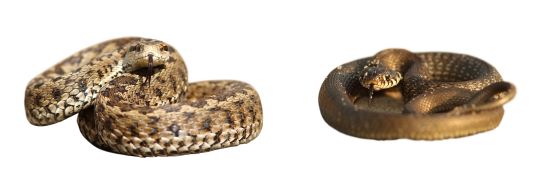
How to Tell if a Snake is Poisonous: A comprehensive Guide.

How to the difference between a poisonous and non Poisonous snake

How to the difference between a poisonous and non Poisonous snakeHow to Tell if a Snake is Poisonous

Snakes have long been a subject of fascination and fear for humans. While many people find them intriguing and even keep them as pets, others are terrified at the mere sight of one. One of the most common concerns when encountering a snake is whether it’s venomous or not. Identifying a poisonous snake is essential for your safety and peace of mind. This comprehensive guide will explore the key characteristics and techniques to determine if a snake is venomous.


Understanding Venomous vs. Non-Venomous Snakes

Before delving into the specific signs of a poisonous snake, it’s crucial to understand the difference between venomous and non-venomous snakes.


Venomous Snakes: 

These snakes possess specialized glands and fangs that produce and inject venom into their prey. Venomous snakes use their venom to immobilize or kill their game before consuming it. While not all venomous snake bites are fatal to humans, they can cause severe harm if not treated promptly.


Non-venomous Snakes: 

These snakes lack venomous glands and fangs. Instead, they rely on constriction or other means to subdue their prey. Non-venomous snakes are typically harmless to humans and serve essential ecological roles in controlling rodent populations. Some Non-Venomous snake are armed with rows of sharp teeth and the ability to squeeze the life from you so even though they are harmless, they should be still respected and kept at a distance.

Identifying Venomous Snakes: Key Characteristics

Several key characteristics can be helpful when distinguishing venomous snakes from their non-venomous counterparts.

1. Head Shape:

Venomous snakes often have a triangular or arrow-shaped head. This shape is due to the presence of venom glands and more prominent venom-injecting fangs at the front of their mouths. Non-venomous snakes typically have more rounded heads.

2. Eye Pupils:

Another noticeable difference is the shape of the pupils in the snake’s eyes. Venomous snakes typically have elliptical (vertical) pupils, similar to a cat’s eye. In contrast, non-venomous snakes usually have round pupils.

3. Tail Shape:

Venomous snakes often have shorter tails, while non-venomous snakes may have longer, tapering tails. However, this characteristic can vary among species, so it’s not a definitive indicator.

4. Coloration and Patterns:

The coloration and patterns of a snake’s skin can vary widely among species. Venomous snakes generally have more vibrant and striking coloration with patterns like bands, spots, or diamonds. Non-venomous snakes may have more muted colors and patterns that blend in with their surroundings.

5. Heat-Sensing Pits:

Some venomous snakes, such as pit vipers, possess specialized heat-sensing pits between their eyes and nostrils. These pits help them detect warm-blooded prey, giving them a distinct feature absent in non-venomous snakes.

6. Behavior:

Venomous snakes often exhibit defensive behaviors when threatened, including hissing, coiling, and striking. While non-venomous snakes can also display these behaviors, venomous snakes may be more aggressive in their defense.


Common Venomous Snakes in Different Regions

It’s essential to note that the specific types of venomous snakes vary by region. Different continents and countries have their venomous snake species, each with its unique characteristics. Here are some examples of venomous snakes commonly found in other regions:

North America:

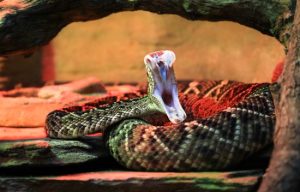
  1. Eastern Diamondback Rattlesnake: Recognizable by its rattling tail and distinctive diamond-shaped East Diamond Back Rattlesnakepattern. Found in the Southeastern US, Eastern Louisiana, Southern Mississippi, coastal plains of North Carolina and in Florida. It is a thick set snake and can get to 8 feet long and over 30 pounds. They are considered to be the most venomous snake in US but they move a bit slow in comparison to other snakes due to their thick body. Of course they are a rattlesnake and are identified by the diamond patterns running along its back. It also has black band covering its eyes. Another distinction is it has cat eye pupils and a large pit between the nostrils. They can be black, brown with cream diamonds or even yellow.
  2. Copperhead: Often identified by its copper-colored head and body with darker cross bands. Their coloring can be blackish or grey brown. The lower part of the body scales are enlarged are paler color. They are found in Southeastern US. they are responsible for the most bites in their area and are very dangerous.
  3. Cottonmouth/Water Moccasin: Known for its aggressive behavior and white mouth lining, visible when it opens its mouth. They have a thick arrow shaped head with vertical pupils which are elongated. They can be found from Southern Eastern US stretching from Texas to the Eastern Seaboard, also stemming from Florida to Missouri. They can three to four feet, sometimes longer and their bodies are thick and bulky. They are a very poisonous snake that can be found in the water.
  4. Western Diamondback Rattlesnake: Similar to the Eastern Diamondback but found in western regions of North America. It is also a heavy bodied snake just like the Eastern Diamond Rattle snake. It has 2 dark diagonal line on its face and dark diamond shaped patterns along its back. The tail has black and white bands just before the rattles.

Australia:

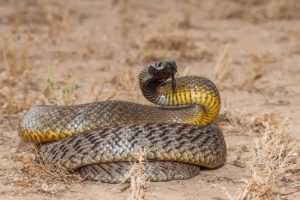
  1. IInland Taipannland Taipan: Also known as the “fierce snake,” it has the most toxic venom of any snake in the world. This snake is a medium to large snake a broad build and a deep rectangular-shaped head. Their colors range from pale fawn to yellowish – brown to dark brown. The head and the neck is usually darker than the body.
  2. Coastal Taipan: Recognizable by its slender body and coastal habitat. Found in Northern and Eastern Australia. They can be identified as light olive or reddish-brown on the front upper part of their body and the lower part of their body is paler. This snake is very dangerous and is considered the third most toxic snake in the world.
  3. Eastern Brown Snake: Highly venomous snake found in the Eastern and central parts of Australia. It is the second most venomous snake in the world. They have a slender build can grow up toe 2 meters  long. It can pale Cream-Yellow and sometimes with orange or grey splotches.
  4. Death Adder: Known for its short, stocky appearance and potent venom. Commonly found in almost every state of Australia, apart from Tasmania they are generally found all around Australia.
  5. Mainland Tiger: Large and very poisonous snake found in South Australia and parts of Western Australia. They are recognised by their banding of black and yellow like a tiger.

Australia has the top 9 deadliest snakes in the world.

Africa:

• Black Mamba: Named for its dark coloration, it is one of Africa’s fastest and deadliest snakes. The Black Mumba Snakecoloring can range from Gray to dark brown and the underside is lighter. The snake is not black on the outside, the black is actually inside its mouth. This snake is found in the Rocky Savannas and the lowland forest in Africa.
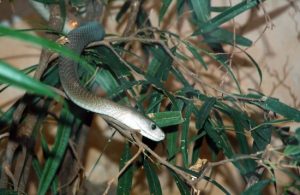
• Puff Adder: Recognizable by its thick body and distinctive pattern.The Puff Adder has distinct markings, they are very thick, medium size and grow on average to about three feet long. They are usually brown, gold and tanned. They  a line between the eyes on top of the head and their pupils are slit. They have these chevron markings down the body narrowing down to being bars near the tail section. These snakes have the record for the most amount of bites in Africa and they are very poisonous.

• Cape Cobra: Known for its striking yellow or brown coloration and hood when threatened. They have also been found to be reddish black. They have the typical hood found on Cobras. They are slender snake but large in size and can grow from 1.2 m to 1.6m in length. It is most found on the ground but it has been found climbing into trees and shrubs. Once again, this is a highly venomous snake. This reptile is found Southern Africa.


Asia:

• Indian Cobra: Recognizable by its hood and distinctive markings on the back of its hood.

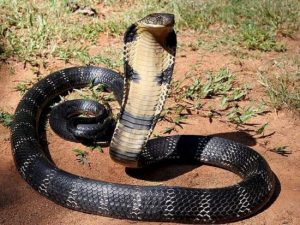
King Cobra InformationKing Cobra: The world’s longest venomous snake, with a unique, intimidating appearance. The coloring is either Yellow, Green, Brown or Black with alternating chevron banding along their bodies. Their head is larger that other Cobra’s.  They are generally shy and don’t bother humans but they are very poisonous. They are found They are found Western Indonesia, Philippines, Hong Kong and Southern China. They like open or dense forest, thickets,agriculture areas  and mangroves.

• Russell’s Viper: Found in various parts of Asia and known for its potent venom. Found in India, Taiwan, Java where there is open country. They are identified by yellowish brown body, They have 3 rows of chain pattern black rings. They are stout with heavy scales. Their body is flat an their head is triangular starting from the neck. Because of their robust body they look a bit sluggish.


What to Do When You Encounter a Snake

Whether you think a snake is venomous or not, taking precautions when you encounter one in the wild or near your home is essential. Here are some tips to follow:

1. Stay Calm: Try to remain calm and still. Most snake bites occur when people panic and make sudden movements.

2. Back Away Slowly: Slowly and carefully back away from the snake. Give it space to retreat without feeling threatened.

3. Avoid Provoking or Handling: Never attempt to handle or provoke a snake, even if you believe it to be non-venomous.

4. Keep a Safe Distance: Maintain a safe distance from the snake, typically at least the length of the snake.

5. Call for Professional Help: If the snake is near your home or in an area that threatens you or others, contact a local wildlife or pest control professional for safe removal.

Seeking Medical Attention

Suppose a snake bites you or someone you are with, and you suspect it may be venomous. In that case, it’s crucial to seek immediate medical attention. Venomous snake bites can lead to severe symptoms and complications, including tissue damage, organ failure, and even death if left untreated.


Do the following while waiting for medical assistance:

1. Keep Calm: Try to remain as calm and still as possible to slow the spread of venom through the bloodstream.

2. Immobilize the Affected Area: If the bite is on a limb, immobilize it with a splint or bandage to minimize movement.

3. Elevate the Affected Limb: If possible, raise the bitten limb slightly above the heart level to reduce swelling.

4. Do NOT:

• Cut the wound: This can lead to infection.

• Suck out the venom: This method is ineffective and can introduce bacteria into the wound.

• Apply a tourniquet: Tourniquets can reduce blood flow and worsen tissue damage.


Conclusion

Identifying a venomous snake is a valuable skill that can help ensure your safety and the safety of those around you. While the characteristics mentioned in this guide can be helpful, it’s essential to remember that some non-venomous snakes may mimic the appearance of venomous ones to deter predators. Therefore, it’s always best to exercise caution and avoid close contact with any snake in the wild. If you can avoid contact with a snake then that is the best action. Contacting a professional snake professional.

Does Vinegar Keep Snakes Away?

Does Vinegar Keep Snakes Away

Snakes are daunting and creepy if they are present in our territories. Keeping them away is one of the difficult tasks, but you have landed on the right page as we will tell you about the ultimate solution you can use to deter the snakes from your house area.

People usually wonder does vinegar keep the snake away. If you want to find out the same, scroll down to find out more!

Does Vinegar Repel Snakes?

Vinegar- a household ingredient- is great for keeping snakes away, according to some individuals; however, it is not approved through scientific resources. Vinegar is, however, an effective way of refraining from snakes near water areas but is not effective near non-watery areas.

Make things difficult for snakes by having a pet-like cat or dog in your home and ensuring food and trash are enclosed while not in use.

Continue reading to see what fragrances genuinely deter snakes. You may scroll down to uncover some effective snake repellents.

How Does Vinegar Repel Snakes?

How Does Vinegar Repel SnakesAcetic acid (5%) plus water (95%) make up vinegar. The acidity plus strong scent are because of acetic acid. Idealistic individuals might assume that snakes hate the strong aroma of vinegar.

Due to the fact that liquids absorb via their skin, snakes are particularly sensitive to things like vinegar. This is an additional reason why individuals believe that vinegar repels snakes. Snakes’ skin is permeable, allowing liquids to slip through. The theory behind this is that snakes when touching the vinegar, it immediately get hurt. Snakes cannot traverse the boundary of the property if vinegar is there as a barrier.

Although the hypothesis seems reasonable, it has repeatedly been proven false. Bad odors don’t appear to bother snakes at all.

What Type Of Vinegar Repels Snakes Best?

There are many kinds of vinegar, including red wine vinegar, apricot vinegar, champagne vinegar, white vinegar, rice vinegar, and cane vinegar. Neither of these varieties seems to deter snakes in any way.

Perhaps spirit vinegar, the strongest vinegar containing a little alcohol, is most likely ineffectual.

The vinegar kind that seems to be the most effective to ward off snakes is white vinegar. This is because it is affordable and widely accessible. On the other hand, spirit vinegar may be rather pricey. So, if white vinegar from your pantry doesn’t work, spirit vinegar won’t, either.

How Apple Cider Vinegar Helps To Keep Snakes Away?

Apple cider vinegar has a negligible impact on snakes, much as normal vinegar. Strong odors usually don’t bother them too much, and they especially do not bother if it’s only a trace of product on the ground. However, they will slither over this apple cider vinegar.

How Can It Be Used?

We think you shouldn’t try to ward off snakes with vinegar. It won’t do anything and only provide a fictitious sense of security.

Most people pour/spray white vinegar everywhere they have observed snake activity, such as at the edges of ponds or pools, in gardens, and all around their homes.

Even though it simply will not work, if you use this, keep in mind to exercise caution when you approach regions where snakes have previously been. They could still be present and exhibit agitation and hostility.

Move pets and individuals far from snake hotspots possible to prevent snake encounters, but never confront a snake. 

FAQ

Does The Smell Of Vinegar Bother Snakes?

There is no scientific evidence, but the pungent odor of the vinegar might irritate and bother the snakes.

What Natural Smells Do Snakes Hate?

Snakes hate the smell of garlic. 

Read More: What Smells Will Keep Snakes Away

Snakes can be deterred by establishing a boundary with garlic cloves all around the place you’re attempting to safeguard. People are unsure as to whether garlic’s overpowering odor or any active chemicals contained within are what truly deter the snakes.

You need a huge number of garlic cloves to protect any significant region. You can use other natural ingredients like:

  • Cinnamon
  • Onions
  • Lime
  • Smoke
  • Clove
  • Ammonia
  • Sulfur

What Keeps Snakes Away From Around Your House?

It’s preferable to deal with the true causes of the snake’s occurrence near your property.

First attempt other preventive snake control techniques:

Do your best to keep rodents out of your house because they attract snakes. Considering snakes consume them like prey, their motivation to linger there will decrease if there are no rodents. 

Avoid overgrown grass close to your house. Regularly cut your lawn to reduce any possible snake cover.

Increase the accessibility and allure of your yard to large birds such as hawks or owls. These predators can spot snakes from a distance and then hunt them.

Avoid leaving mounds of rocks, wood, or leaves that might attract snakes.

Conclusion

Although it may work for some snakes, vinegar is not the best deterrent. Maintain a tidy yard free from clutter, garbage, bird feeders, or others that can tempt snakes to congregate there. Prune them back to ensure that snakes and others cannot hide in shrubs close to your house. You can try switching the radio close to the yard to ward off snakes.

5 Plants That Repel Snakes: Make Your Garden Snake-Free

5 Plants That Repel Snakes Make Your Garden Snake-Free

Is your garden becoming a habitat for snakes? Of course, it can, and we surely don’t blame you because snakes love damp areas crowded with plants. They can easily camouflage in these densely covered places and make their appearance without you knowing (an uninvited guest indeed). We will help you make your garden a snake-free zone naturally.

If you want to avoid a fearful encounter with these rascal reptiles again, include snake-repellent plants in your garden to deter snakes naturally. These plants will successfully hinder both venomous and non-venomous snakes alike from slithering into your yard. You will be able to prevent them from making your garden their paradise without disturbing the ecosystem.   

Let’s start to explore ways to make your garden snake free without any further ado!

Are There Any Plants That Really Keep Snakes Away?

The answer is certainly yes. Snake-repellent plants can prevent snakes from harboring in your realm naturally. There are dozens of plants having specific characteristics such as strong odor, bitter taste, and sharp leaves that are not snake-friendly. 

Snakes get offended or perceive these elements as a threat to their survival which makes it quite understandable how some plants are best suited to fulfil your purpose.

How to Design an Anti-Snake Garden


While snakes may not be harmful to your garden (as many believe), they can be to you. To make your home and garden secure, we devise using the best varieties of snake-repellent such as Marigolds, Mother-in-Law’s Tongue, West Indian Lemongrass, Onion & Garlic, and King of bitters. 

All of these plants can be easily grown in your yard to repel snakes, and not only this, but they will also add charms to the beauty of your garden. Surprisingly, most of them require minimal maintenance and thus will be your front-line warriors in your fight against garden snakes.  

Top 5 Plants That Repel Snakes

Here is a list of 5 plants that you can add to your garden. Garden Snakes, get ready to go! 

1. Marigolds

Plants That Repel Snakes - Marigolds

Marigolds are bright, yellow orangey flowers whose blooms will not only make your yard look awesome but will also repel pests, rodents, and snakes with their sturdy roots. You can grow marigolds in your garden from seeds and keep them thriving (belong to perennial or annuals group). 

Their roots grow aggressively and deeply into the soil and thus easily stall snakes with their pungent odor (produced from roots) even when they are hiding or burrowing. Marigolds come in three flavors African, French, and Signet and all possess stinking smell that keeps snakes away.  

2. Mother-In-Law’s Tongue

Plants That Repel Snakes - Mother-In-Law’s Tongue

Mother-in-Law’s Tongue, also known as ‘snake plant’, is the best fitting to frighten away snakes. Their long, twisting blade-like leaves with sharp edges do not suit the soft bodies of reptiles. The striking reason for which you would like to have this plant in your garden is its high levels of oxygen production and ability to remove toxins in the air. 

Snake plants are long-lasting and require very low maintenance, and what’s better than that? Plant them in your garden to see how they will visually repel the snakes like a nightmare.     

3. West Indian Lemongrass

Plants That Repel Snakes - West Indian Lemongrass

If you are living in Asia (particularly India and Sri Lanka) or warmer regions of the globe, you are lucky to have Lemongrass in your home garden. It is a drought-resistant perennial plant that requires very low maintenance and can thrive in humid, warm climate zones for longer periods. 

Its citrus-like fragrance repels wasps, mosquitoes, and snakes. You can grow it anywhere around your garden or simply as a security belt to deter snakes from entering your territory. Citronella oil is also produced by lemongrass, which is incredibly effective in repelling mosquitoes. 

4. Onion & Garlic

Plants That Repel Snakes - Onion & Garlic

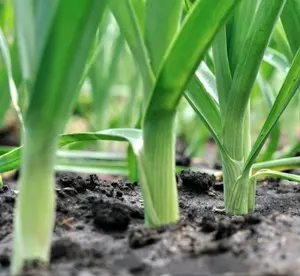
Most people grow onion and garlic plants to get benefit from their medicinal properties. But do you know they can also stop snakes from lurking around your garden? The high concentration of sulfonic acid in garlic and onion produces a smell and aroma that can disorientate and off-put snakes. 

Aside from being part of your culinary, they will also protect your home from snakes. The smell produced by these plants confuses the snakes good enough to change their path. 

5. King of Bitters

Plants That Repel Snakes - King of Bitters

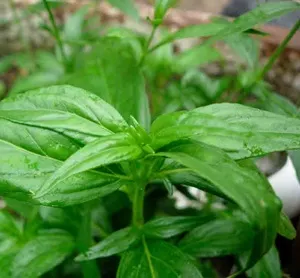
King of bitters, also known as ‘creat’ or green chiretta, is used as a natural pest repellent, including snakes. It can withstand a variety of habitats along with adding beauty to your garden with its soothing white and purple hue flowers. It is massively used in Asian countries like Malaysia, Sri Land, and India as an herb for cough and flu.

Its roots and foliage are bitter, which repel the snakes from coming close to a land harvested by them. You can grow them in thick borders around your yard to get maximum protection.   

FAQs

What Will Naturally Keep Snakes Away?

You can get rid of snakes naturally by making snake-repellent plants a must part of your garden. These plants possess special features, which are not liked by snakes or can frighten them away without putting any danger to the ecosystem.  

What Smells Will Keep Snakes Away?

Snakes cannot tolerate the smells of sulfur, cinnamon, onion, smoke, and garlic. So why not introduce plants that have (or produce) such scents that can repel the snakes out of your garden?  

How Do I Rid My Yard Of Snakes?

There are many methods to get rid of snakes from your backyard, such as using snake repellent sprays, setting up traps, and keeping your grass short. However, the best method to deter snakes is to grow snake-repellent plants in your yard. 

Does Vinegar Keep Snakes Away?

It’s possible that the smell of vinegar can repel snakes, but there is no scientific backing to it. You can still use it but make sure to keep a plan B to it. 

Conclusion

Despite so many options available in the market to deter snakes, introducing snake-repellent plants is the best decision you will be making. The list of plants mentioned above will not only make your garden snake-free but will also lighten it up with their beauty. You can use all of them in your garden and hit two targets with one arrow. 

Preventing snakes from harboring in your garden is necessary since they can attack children playing nearby. Snake-deterring plants are a threat to venomous and non-venomous snakes alike. Stop worrying and take the steps enlisted above. Make your garden snake free with snake deterring plants. 

5 Best Outdoor Snake Repellents Reviews (2022)

Best Outdoor Snake Repellent Reviews

5 Best Outdoor Snake Repellents Reviews

Crawling snakes on your lawn or garden can be very dangerous for your family, pets, or animals. Granular snake repellents can help eliminate these dangerous reptiles. These outdoor snake repellents contain various natural ingredients and chemicals that are safe for humans or pets and are only effective against snakes or insects but safer for people, pets, and animals.

Below are some of the best outdoor snake repellents you can use at home or anywhere else to get rid of these dangerous creatures.

Outdoor Snake Repellents Reviews

PRODUCT REVIEWNAMEREVIEWSMORE
ALT
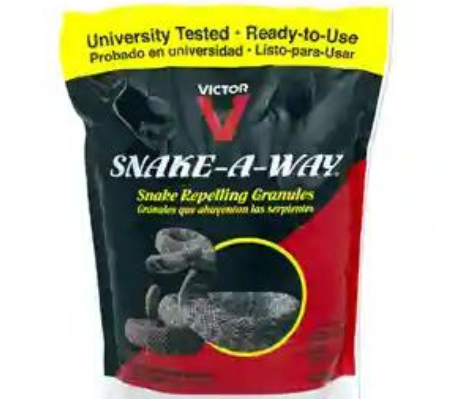
Victor VP364B Snake-A-Way

  • Protects up to 1/2 Acre

  • Lasts for up to 3 months

  • Controls by Scent

8140 Customer Reviews Check on Amazon


Check on Ebay
ALT
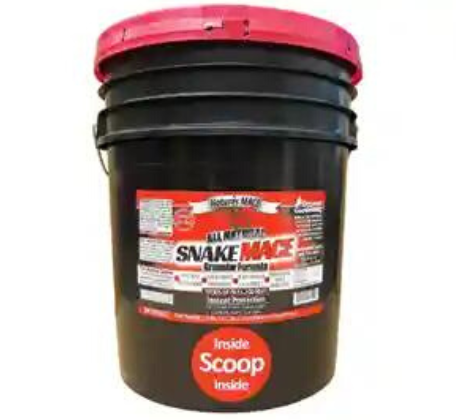
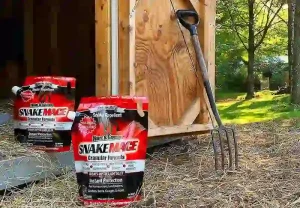
Natures Mace Snake Repellent

  • Protect 13,200 sq. ft.

  • 100% all natural ingredients

  • Year round protection

160 Customer Reviews Check on Amazon


Check on Ebay
ALT
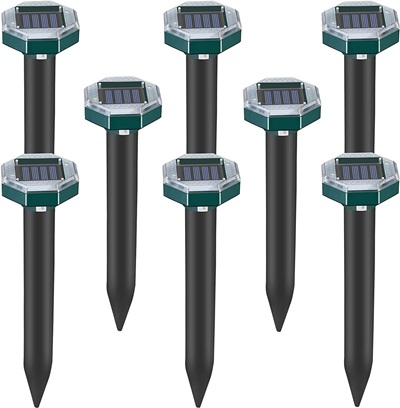
Elioelio Mole Repellent

  • Solar powered

  • Safe Around Children & Pets

  • Wide Coverage

666 Customer Reviews Check on Amazon


Check on Ebay
ALT
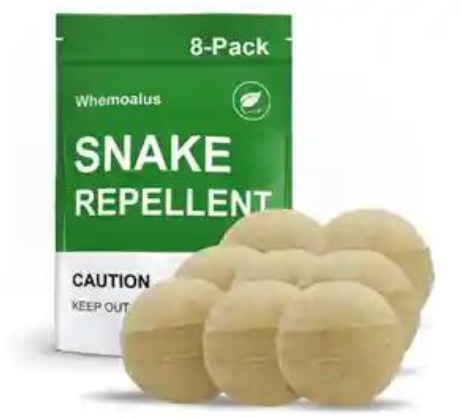
Snake Repellent by Whemoalus

  • Each ball intervals 79 inches

  • Effective for 2 months

  • 8 balls Snake Repellent/Bag

675 Customer Reviews Check on Amazon
ALT
Must Garden Snake Repellent

  • Safe for People, Pets, & Pollinators

  • More Active Ingredients

  • Quick & Easy Applications

304 Customer Reviews Check on Amazon

1. Victor VP364B Snake-A-Way

Victors Snake a Way is a speedy and effective formula that immediately both nonvenomous and venomous snakes like rattlesnakes or garter snakes. It temporarily disrupts the granules of the snake’s smelling sense organs and forces them to turn away and look for fresh air. Snake a way is EPA registered, which gives you peace of mind that the federal regulatory authorities have authorized its use as a safe and effective formula.

You do not have to keep applying it from time to time, as one application will last around 3 months for sure. However, you may have to reapply after rain to regain its effect. Nevertheless, a very potent and effective way to guarantee the snakes won’t return.

Pros

  • Potent and long-lasting
  • Effective against both types, poisonous and non-poisonous
  • Repels insects and pests as well

Cons

  • Nothing was mentioned about children and pet’s safety
  • Not effective against all types of snakes

Buy on Amazon

2. Natures Mace Snake Repellent

Nature’s MACE snake repellent is a safe and fast formula that prevents snakes from entering your home, garden, and lawn. This repellent uses natural ingredients that are mainly plant-based and are very safe for children and pets. In addition, Mace snake repellent is an all-year and long-weather formula that can effectively repel snakes throughout the year and will not fail on rainy days.

The Nature MACE formula is biodegradable, free of dust and toxic naphthalene, and only focuses on eliminating snakes or other crawling creatures. It does not require rotation with other repellents to enhance its effect and can hold on its own.

Pros

  • 100% money-back guarantee with satisfaction guaranteed
  • Long-lasting and eco-friendly formula
  • Smells fresh and natural
  • Covers and protects up to 13,200 Sq. Ft area

Cons

  • Not effective against poisonous snakes
  • The not best option for commercial use

Buy on Amazon

3. Elioelio Mole Repellent

ELIOELIO mole and snake repellents are very effective against repelling moles and snakes in your backyard, lawn, or other outdoor areas. These solar repellents create ultrasonic sounds that annoy or frustrate the unwanted pests from your yard, forcing them to go elsewhere. Each ultrasonic stick covers an area of 7500 sq. ft. and can repel snakes, moles, chipmunks, Gophers, and even vole snakes.

It only takes a couple of days to get charged in sunlight before it starts working and needs to be functional for 7-14 days before it shows its result. Keep them positioned where the sun is most vulnerable for better charging. They work best with hard or denser soil conditions as the sonic vibrations don’t go well with clay or sand conditions.

Pros

  • Waterproofs and all weather and season supportive
  • Easy to install and use
  • Safe for people and Pets

Cons

  • The effect takes time of 1-2 weeks to show the result
  • Constant rainy or cloudy days can interrupt charging

Buy on Amazon

4. Snake Repellent by Whemoalus

This snake repellent contains all-natural ingredients that are very effective against most snakes. It can easily repel most common snakes like rattlesnakes, green snakes, copperheads, etc. Since the snakes are pretty sensitive to scents, this ball-shaped repellent immediately starts its effect by emitting essential oils based on time scents. Thus, all snakes will escape the area once they get close to these repellent balls.

These ball repellents are safer for human and pets as it uses 100% natural based ingredients from essential oils. Use them without worrying about outdoor areas like plants, lawns, or gardens. These balls shaped repellents are safe and easy to use even inside your vehicles like trucks, cars, or RVs.

Pros

  • Safe with 100% natural ingredients
  • Works very fast and immediately
  • Easy to use and carry around

Cons

  • Gets shrink sooner than expected
  • Not very effective on rainy days

Buy on Amazon

5. Must Garden Snake Repellent

A natural ingredients-based snake repellent that targets the snake’s sensory organs explicitly makes them feel discomfort and confused, thus forcing them to leave. Must garden claims to use more effective and active ingredients for more substantial and better results than any other repellent. They are safe and friendly for People, Pets, and children, thanks to their natural and botanical ingredients containing no harmful chemicals.

They guarantee not to contain the dangerous naphthalene chemical that many repellent companies usually use as it may damage your kidneys and liver. A safer and easy way to protect your garden and outdoor areas from snakes is by applying the granules in moderate quantities in or around the places you want to save.

Pros

  • Naturally tested for a more potent and more prolonged effect
  • Peace of mind, no harmful chemicals added
  • Easy and quick to use and covers most outdoor areas

Cons

  • Pricey covers less area and needs reapply after 2-3 weeks
  • Nothing mentioned about the effect of venomous snakes

Buy on Amazon

Best Outdoor Snake Repellent FAQs

FAQs

What Can I Put Around My Fence to Keep Snakes Away?

Apart from using different snake repellents, you can put plastic sheets or steel mesh around your fence 3-4 feet high. In addition, you may place some plants around the fence with snake repellents like wormwood or marigolds.

Does Spraying Vinegar Keep Snakes Away?

Vinegar can be effective by placing it near bodies or swimming pools. However, it has been used as a home remedy for many years but has no scientific or powerful effect as a snake repellent.

Is There A Way to Snake-Proof A Yard?

You can build a concrete chain wall around your garden or yard which should be 5-6 inches below the ground surface for maximum protection. There can be many other ways, but they are mostly costly.

Does Mowing Keep Snakes Away?

Mowing gardens or yards can help keep snakes away as they, by nature, mostly move around in tall grass where they feel less evident and safer. This trick can also help spot them easily for rapid and on-time counteraction.

Conclusion

Protecting your home, especially the outdoor areas, from snakes is very important as it may otherwise be harmful or even life-taking in some cases. However, for that purpose, we looked into a few snake repellents available to see which one is the best. You may choose any one of them according to your need, as all of them are highly effective against snakes and other outdoor creatures that are very harmful to hang around in.

What Smells Will Keep Snakes Away?

What Smells Will Keep Snakes Away

What are the best smells to keep snakes away

Finding a snake inside or around your home can be a nightmarish experience. But the good thing is that you can easily repel snakes and keep them away from your home, lawn, or backyard if you know a few things that these reptiles prefer to avoid.

These snakes don’t like the smell of certain essential oils. The most common examples are clove, cinnamon, lemongrass, mug wort, and cedar wood. Other smells that can deter snakes are sulfur and smoke.

We have gathered a list of some smells that will keep these reptiles away from your property for good. So, let’s begin with our list.

Top 8 Smells That Deter Snakes

  • Snakes are scared of Smoke

Everyone knows where there is smoke, there’s fire, and similar is the case with these snakes. They understand that fire can kill them. Therefore, will quickly slither away from that place as soon as they smell smoke.

Due to this reason, you can use smoke to your advantage if you want to keep snakes away from your property. But smoke can put you and your property at risk, too, because smoke involves fire.

However, you can smoke without fire, so you will need a bottle of fragrance oil with this smoke aroma.

  • Snakes Don’t Like The Smell Of Vinegar

Vinegar is another option you can go for because snakes do not like the smell of it. Anyone with little DIY experience in pest control knows that vinegar can kill bed bugs, dust mites, and other larvae and eggs you don’t want around your home.

Creepy crawlies that can’t be killed with vinegar don’t like the pungent smell of vinegar, and snakes are one of them. So, vinegar is effectively your all-natural pesticide and your repellent.

  • Use Sulfur For An Effective Snake Deterrent

Using vinegar can be pretty messy if you try to apply it using a bottle or a jug. Hence, the sulfur powder can be a mess-free option to repel snakes. Of course, being in powder form, applying sulfur is much easier and mess-free.

You won’t have to worry about sulfur vaporizing into thin air like vinegar. So, you won’t have to apply this powder to the affected areas repeatedly.

Sulfur irritates their skin, and once it does that, snakes won’t trespass that particular area ever again. It has a strong odor that snakes don’t like at all.

  • Cinnamon Oil Is A Great Option For Snake Repellent

Many people love the smell of cinnamon as you can use it in various baked goodies and sweets. But snakes don’t like its smell either. The good thing about cinnamon is that you can use it as an air freshener, and it is a pretty effective natural snake repellent.

You have an advantage here because cinnamon is available in different forms. You can use its powdered form, and you can palace cinnamon sticks. Plus, you can use cinnamon essential oil over the affected areas.

  • Cloves Are Ideal As Snake Repellents

Another all-natural pest extermination option you can go for is clove. It effectively kills fleas, ants, bed bugs, and reeling moths and flies. It is highly effective because it has eugenic in it.

This compound is used in making fragrances, but insects and pests alike don’t like its smell; similar is the case with snakes.

You can spray this essential oil on them, and it will force them to retreat. Therefore, you can use it on the affected areas throughout the house, and snakes won’t dare to come near your property.

  • Cedar wood, The Natural Snake Repellent

Another natural snake repellent is cedar wood. According to research, experts say that the smell of cedar wood leaves these reptiles disoriented and weak.

The research finds that snakes believe the smell of cedar wood can melt their scales. And the good thing about cedar wood is that it is a highly effective repellent for other nasty critters.

It can even kill small pests by dehydrating them. These include the likes of silverfish, fleas, ticks, dust mites, bed bugs, moths, beetles, and mosquitoes.

  • Does Lemon Grass repel snakes

Lemongrass is highly effective in repelling mosquitoes, but it is equally effective on snakes. So, it is a good practice to plant lemongrass in your garden. It can repel other crawling and flying pests.

Lemongrass has a citrusy smell, and snakes don’t like it. You can use lemongrass essential oil and a few drops where you think snakes are more likely to crawl. You can use ground lemongrass for this purpose.

  • Garlic Is An Effective Snake Repellent

Garlic is not only effective on vampires but can also drive away snakes. You can plant garlic around your property because the leaves of the plant smells just like garlic. So, their leaves and cloves can be highly effective in repelling snakes.

You can use crushed garlic for a stinger aroma for the best results. It is believed that this strong aroma leaves snakes confused. You can use essential garlic oil or use garlic powder on the affected areas where you think snakes might crawl.

Read More: Plants That Repel Snakes

Final Words

There are so many smells that snakes don’t like, and they can use them in various forms to deter these reptiles for good. The best thing is that you can conveniently use most of them inside and outside your home, either in the pantry or the garden shed so why not put them to good use them to keep your home safe.

What Is The Best Snake Repellent

what is good to keep snakes away

What Is The Best Snake Repellent

Venomous or non-venomous, snakes are never the best animals to have slithering in your yards. If you live in an area prone to these reptiles, you need to take active measures to get rid of them and keep them away.

Choose the best snake repellent for your premises and stay safe and snake-free.

Snake Repellent Reviews

1.  Ortho Snake-B-Gon Snake Repellent Granules

Ortho Snake-B-Gone is your answer to pest control without disturbing the ecosystem.

The product uses ingredients that snakes dislike. This makes it a very effective and natural repellent. Moreover, the ingredients are essential oils that may smell pleasant to many.

Some of the oils in the repellent are cinnamon, clove, and castor, whereas mint oil and Geraniol are also present.

The granules are easy to spread, and you can be sure of the quantity according to the area you want to cover. One jar of 2lbs covers an area of 1440 sq ft. It can be spread across the perimeter from where the snakes must be away.

The granules are rain resistant; hence, they can be used outdoors around the house or the yard. For indoor application, make sure that the area is snake-free.

Overall, this product prevents non-venomous snakes from intruding and nesting in the area. One application works for a whole month of peaceful and snake-free life.

Pros:

  • The smell of the repellent is pleasant.
  • Easy application.
  • Money-back guarantee.

Cons:

  • Needs to be applied every month.

2. Victor Vp364b Snake-A-Way Snake Repelling Granules

If your area is always under snake threat, then a large quantity of repellent is worth it. The Victor Snake-A-Way comes in a 4lb pack and uses a very tolerant way to drive away snakes.

It consists of the same formula as naphthalene and has sulfur. This combination releases an odor that works on confusing the snake when it is out to inhabit a location. The repellant works because the chemicals the snake receives from the air through its tongue are not in its favor. The chemical confuses the snake if it is safe or unreliable, forcing it to leave the site. The idea is derived from mothballs, which snakes also dislike.

The smell may not be pleasant, but as long as it’s safe for children and plants, then it’s desirable.

The granules are easy to spread over the required area, and the application lasts for almost 3 months. A 4 lb pack can cover 5 acres of space. The large quantity can stay for a while and is known to work 91% effectively.

In addition to this, these granules help get rid of some of the most notorious snakes. The coral snakes, rattlesnakes, and black snakes are some of the breeds taken care of.

So, this snake repellent is the synthetic answer to prevent the snake from nesting at your site. Of course, you should keep your pets away. Ingesting these granules may be harmful to them. But overall, this product is safe, easy, and a long-lasting solution.

The advantages of using Naphthalene and Sulfur

  • EPA approved.
  • Safe for humans.
  • Reapplication has a broad window.

Cons:

  • The smell of naphthalene might drive away other animals as well.

3. Exterminators Choice Snake Defense Spray

Another natural and organic way to keep the snakes away. The Exterminators Choice Snake Defense Spray is the easiest to apply. It comes in a spray bottle to use easily. You can even attach a spray head to the bottle itself for spraying directly from the bottle.

The smell is acceptable as it contains cinnamon and peppermint oil. Clove oil derives the non-venomous and venomous away.

They are safe for both indoors and outdoors as the ingredients are all-natural. In addition, the formula eliminates some of the nastiest snakes like copperheads and rattlesnakes. People who have spotted Garter snakes have used the product and are happy with the results.

A safe, clean, and easy to apply formula for relief from snake nuisance. The 1-gallon bottle is enough for a wide area as the formula is sprayed. However, the liquid state can easily wash off after a spell of rain. So, reapply after every pouring episode.

The advantages of using snake defense sprays

  • Easy to apply.
  • Natural ingredients.
  • Not harmful to humans, plants, and animals.
  • Decent longevity.

The disadvantages of using snake defense sprays

  • Needs to be reapplied after a rain.

What Snake Repellent Is Best: Chemical VS Sound

snake defense sprayUsing sound and vibrations to drive away snakes is not a foolproof plan. Firstly you cannot keep the devices working 24 hours throughout the year. Secondly, even if you run them on solar energy, they are nonfunctional at night.
Using chemicals to keep the snakes away is more effective. They are available in organic and synthetic forms and work according to your application.

How Do I Snake Proof My Yard?

There are many ways one can apply to make their yards snake-proof. Some are:

Deep and high fencing – deep and solid base for the fence ensures no sliding of snakes underneath. The height also keeps the snakes away.

Use Vinyl for Fences – The slithering serpents would find it difficult to climb up a smooth fence. Hence vinyl can be a great fencing material.

No Food No Use – Certain insects and small animals are food for snakes. So, getting rid of them can also help.

Lay snake traps – if you know of a vermin accommodating your premises, trap it. Snake traps work effectively and can help in removing them from the site.

Use snake repellents – for a long-term solution and to cover a larger area, use snake repellents. These can be easily spread or sprayed onto your yard and can keep you snake-free for months.

FAQs

What Smell Keeps Snakes Away?

Among many essential oils and some chemicals, Ammonia is the most effective. The snake detests the smell of Ammonia, and it alone can help you get rid of snakes anywhere and anytime.

Are Snake Repellents Safe?

The ones using organic and natural products are. The synthetic ones will not endanger any other living creature if you carefully follow the instructions. If you don’t want to use products then you should consider growing plants that repel snakes.

What Chemical Kills Snakes Instantly?

Calcium Cyanide is an inorganic compound that instantly kills snakes. Another pesticide to kill snakes is Pyrethrin.

It is from the chrysanthemum flowers and has been effective on most cold-blooded animals.

Conclusion

No one welcomes wandering snakes. However, if you have kids and pets at home, these reptiles can pose a danger. For a lasting and effective solution, a snake repellent can be applied.

Now you must have known about the best snake repellent out there. So get the one that suits your premises and protect yourself from a snake bite.

What You Should Know About Wildlife Removal and Extermination

What Should You Know About Wildlife Removal and Extermination

Wildlife is beyond adorable, but let’s face it, and they can also be detrimental to your home. They are mostly responsible for causing safety and health concerns and extensive damage to your valuables. This is one of the reasons for wildlife extermination. Before we move on, please note, we do not advocate the killing or creating suffering for wildlife, this is not the motive of this site. This site is about primary deterring snakes and wildlife from our lives.

Wildlife removal and extermination involve getting rid of nuisance animals through the use of traps, toxins, and poisons. It is a cheaper and effective method of eradicating wildlife from your house.

Why Do People Exterminate Wildlife?

It is common sense to see a raccoon on your lawn and run or see a bat in your porch and scream for help because wildlife is responsible for many destructive actions. Some of them are listed below:

  • They create an entry for other pests.
  • They can cause structural damage to your house.
  • They can eat through drywall and tear insulation’s.
  • They can die in hidden places in your house, creating foul odors. It is usually a sport looking for the carcass.
  • They make disturbing noises around your property.
  • They scavenge refuse and leave droppings behind keeping the environment dirty.
  • They are dangerous to both humans and pets.

What to Look Out For Before Wildlife Extermination

Below is a list of things you should look out for before

Accidents: Although a method may be very effective, it doesn’t mean that it should be used. Some methods are very hazardous and illegal. Once handled by just anyone, it can lead to injury and loss of lives. Sometimes, you may be breaking the law by using that wildlife control method. If you must use those techniques, employ the help of a professional wildlife exterminator.

Animal control: Before embarking on a wildlife control journey, ensure that you have carefully evaluated the wildlife removal method you choose to use. Evaluating it ensures that you have all the legal and ethical backing to carry out whatever action you wish to, on the animal.

Determine the animal responsible: When controlling wildlife, identifying the particular animal or animals responsible for the damage to your property is a very important step. This will ensure that you use the right method that matches the animal species to control them effectively.

Alter their habitat: After an effective animal removal, you should consider changing your property arrangement. Alter the environment to discourage the animals from habituating there.

Common Wildlife Control Methods

Various wildlife control methods exist. However, when choosing the right method, you must consider the safety of your property and everyone on it. Here, we have outlined wildlife control methods that are not only effective but will also maximize safety around.

The Use of Toxic Baits for Snake Control and Other Pests

The use of toxic baits is another choice at controlling wildlife in your environment. This method is effective, especially against crawling animals. It consists of a pleasantly attractive bait, e.g. fish, meat, bread, etc. infused with a poisonous substance. This poisonous substance is mostly made from chemicals. This is a consideration for bigger wildlife species. Once again, killing animals is not the most favored option we would like to advocate though.

How to Use Toxic Baits to Get Rid of Snakes

  • First of all toxic baits are to be used as a last resort. We do not advocate killing snakes or other animals unless absolutely necessary and generally at the advice of a professional.
  • Identify the wildlife and determine what baits will appease them more. Also, determine what poisonous substance that works effectively on them.
  • Infuse the poisonous substance into the bait and place it in spaces with high wildlife activity.
  • Dispose of the dead animal in the rubbish bin, far away from the house.
  • Always store poisonous substances in a safe place away from children, pets, or fire.

Glue Boards for Snakes and Pests

Glue boards, unlike toxic baits, give a choice of life for the animal. It is a nontoxic way of controlling wildlife. If you are not quite interested in killing the animal, you may consider using this method.

How to Use Glue Boards to Trap and Remove Snakes

  • Place the large surface containing glue in the area that is suspected of wildlife activity.
  • Animals that come in contact with the board get stuck to it and can either be rescued or die due to suffocation, it is recommended for humane reasons the glue boards are checked to safely remove the animal.

Scare Away Snakes and Animals Using Frightening Devices 

Animals are generally wary of new sounds or lights in their environment and will flee if they come in contact with any. This is the principle that this method works on. However, the ability of the animal to react to this method varies greatly. Hence, the need to understand what animal is concerned and the best approach at eradicating them. Looking for a great raccoon removal or squirrel prevention method, this is a good choice for you.

How to Use Frightening Devices to Scare Away Snakes and Pests

  • Place the device in the area prone to wildlife activity. Examples of this device include ultrasonic repellent, wireless fence posts, etc.
  • When an animal comes within that area, the device gives a response which scares the animal away.

Modifying The Habitat To Keep Snakes Away

If your main goal isn’t to kill the wildlife but taking them far away from your environment, this method is a good choice for you. Just like the name implies, this method involves changing the scenery of your environment to discourage wildlife from finding solace there.

Using Traps To Control Wildlife

Using traps can effectively aid wildlife control. There are two major types of traps, the quick kill-type traps and the live-holding traps. Most people do not prefer this method because of the threat it poses to pets and humans around them. Ensure you take extreme caution when using this method. This method is a good option for rat control, raccoon control, groundhog control, squirrel control, and other crawling wildlife species.

Determine What Snake And Animal Repellent Works Best

Whether you are looking at possum removal, critter removal, bat control, squirrel control, etc., using animal repellent is a great way to resolve your wildlife conflict. Determine what repellent works best for the wildlife before taking any action.

There is various animal repellent available. They include:

Although these steps are available for wildlife removal and extermination, there are professional wildlife exterminators who can help you resolve your wildlife conflict.

10 Most Effective Tips to Repel Snakes From Your House

Most Effective Tips to Repel Snakes From Your House

Imagining coming to meet a snake in your house or waking up to a snake on your bed? How terrible can that be? Snakes are creepy creatures who cannot only gain entrance into your yard but also your house.

Whether poisonous, non-poisonous, dangerous or non-dangerous (is this even possible?), keeping snakes away from the house is the ideal thing to do. Wondering what the best ways to get rid of snakes are?

Here, we have outlined ten effective tips that will help in repelling snakes from your house. Let’s get right into it.

Effective Tips To Repel Snakes From Your House

1. Tidy Your Lawn Regularly

Your lawn is going to have debris and leaves scattered on the floor that will attract rodents (find rodent repellents here) and other types of pests. Considering that these pests are great meal choices for snakes, it is important to clean and tidy your lawn regularly. Leaves, roots, branches, lawn debris, fallen fruits, etc. should be cleared from your lawn as often as possible. Wood piles should also be kept far away from your home.

2. Keep the Grasses Short and Trimmed

Tall grasses, trees, and shrubs can serve as a great cover for reptiles especially snakes. Ensure that the grasses around your houses are cut very short. Also, trees and shrubs in and around your property should be trimmed and long branches should be cut. According to Field Ecology, an ideal space of 24 – 36” space under the trees and shrubs will help to keep snakes away from your house.

3. Set Up a Perch Pole

You can also employ the help of natural snake predators such as eagles, hawks, owls, etc. to get rid of snakes. To do this, you will need to set up a perch pole in an open area that will attract these natural snake predators.

4. Feed Your Pets Inside the House

Pet feed is capable of attracting insects and pests who are looking to get their share of the meal. So when next you feed your pets, consider feeding them inside the house. However, if you must feed them outside, thoroughly clean the space immediately after their meal.

5. Patch Up Cracks and Crevices

Regularly inspect your house for cracks, crevices, holes or any other access that snakes can pass through. Cover them up to keep snakes away from your house.

6. Avoid Over Watering Your Lawn

It is important to water your lawn, however, constant watering can create a comfortable habitat for prey species such as worms and frogs which may attract snakes. Limit watering your lawn to a minimum. Check your garden hose and sprout thoroughly to ensure that there are no leaks that can flood the lawn. Also, avoid keeping garden ponds as that is a great habitation for insects and subsequently snakes.

7. Landscaping

No doubt, landscaping your lawn can make it very beautiful and attractive. However, they provide a comfortable habitat for insects and other invertebrates. To avoid this, get rid of the large rocks, straw mulches, and whatever material that encourages snake habitation on your lawn. If you must landscape your lawn, use sharp mulches such as Pine cones, eggshells, gravels, etc that make it difficult for snakes to move around.

8. Solar Snake Repellent

Using solar snake repellent  is also a good choice when considering getting rid of snakes. It is a very harmless, affordable, and easy to use snake vibration repellent. When carefully installed, it sends vibrations in all directions in the ground. Any nearby snake will pick the vibrations from this solar powered snake repeller, making them very uncomfortable and, causing them to slither away

9. Plant Snake Repellent Plants

There are numerous natural homemade snake repellent plants available in the market, in your kitchen and even in your garden, which can be used to keep snakes away from your house. Examples of these plants include:

  • West Indian LemonGrass
  • Mugwort
  • Tulbaghia Violacea

10. Consider Fencing

Fencing the yard is a good alternative to getting rid of snakes. The fence sticks should be buried into the ground and a thick cloth, steel mesh, or catch net should be used to cover the fence. The fabric must be at least 38 inches deep and should be buried at least six feet deep into the ground. However, because of the technicality of the procedure, you should only consider using it when you have tried other ways and failed at keeping snakes away from your house.

Here is an additional tip to influence snake deterrent around your house

11. Use Homemade Snake Repellent

There are many natural snake repellents available that can be made from the comfort of your home. They contain snake killer products that can keep snakes away from your house for a very long time. Some examples include:

  • Salt and garlic snake repellent
  • Garlic and onion snake repellent
  • Cinnamon and clove oil snake repellent
  • Lime snake repellent
  • White vinegar

Consider using any of these tips to get rid of the snakes and watch them keep away from your home. However, always ensure to seek professional help when dealing with snake bites.